How to Build a Stylish Capsule Wardrobe With Only Sustainable Pieces
Building a sustainable capsule wardrobe is one of the most practical style decisions you can make right now. It cuts decision fatigue, reduces waste, and saves real money over time without making you look like you dressed in the dark or gave up entirely on having a point of view.
The fashion industry generates roughly 92 million tonnes of textile waste every year [1]. Sustainable fashion is growing as a response, but most people still do not know where to start. A capsule wardrobe built on sustainable pieces is a direct, personal entry point into that shift.
What a Sustainable Capsule Wardrobe Actually Means
A capsule wardrobe is typically 25 to 50 versatile pieces that work well together across dozens of outfits. A sustainable one means every single item was made with environmental and ethical standards in mind: certified organic cotton, recycled fibers, fair labor, low-impact dyes. Not just "eco-friendly" marketing language sewn onto a fast fashion tag.
There is a meaningful difference between a brand that uses recycled polyester for one limited collection and a brand built entirely around supply chain transparency. Learning to spot that difference, and trusting your instincts when something smells like greenwashing, is the first real step toward building an eco-friendly wardrobe that holds up to scrutiny.
Step 1: Audit What You Already Own
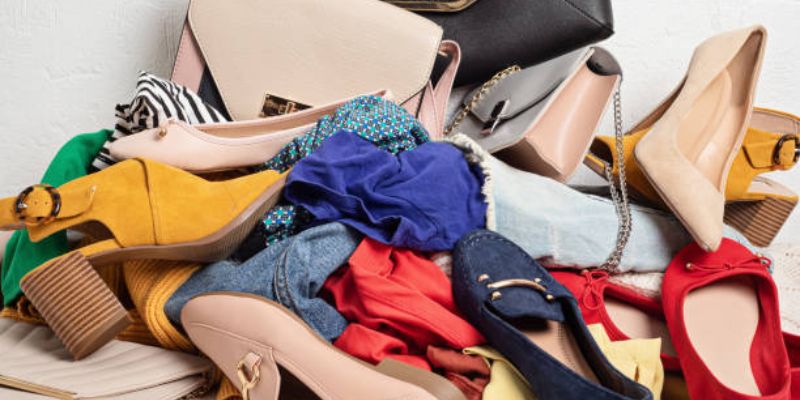
Before buying anything, go through your current wardrobe. Pull everything out. Separate what you actually wear from what just hangs there producing quiet guilt. Most people discover they wear about 20% of their clothes 80% of the time. The rest is clutter with a cost, both financial and environmental.
Keep pieces that fit well, feel good, and already align with a more intentional wardrobe. Even if something was fast fashion, wearing it out fully is more sustainable than discarding it to start fresh with a cleaner conscience. You are not trying to zero out your wardrobe overnight. That approach produces its own waste.
Step 2: Define Your Actual Style, Not Your Aspirational One
This step trips people up more than any other. You buy the linen trousers because you want to be the kind of person who summers in Provence. Then they sit in the closet untouched. A sustainable capsule wardrobe only works if it reflects how you actually live and dress.
Write down five words that describe your real daily aesthetic. If you work from home, wear jeans four days a week, and only attend formal events twice a year, build around that. Stop buying for the life you imagine having.
Step 3: Choose a Color Palette That Works Together
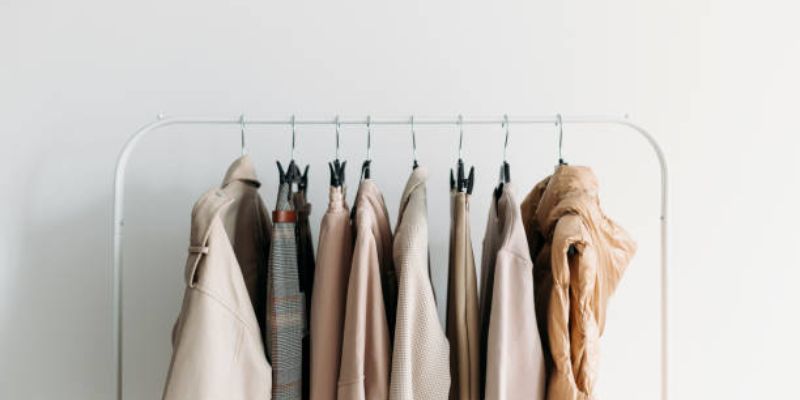
Sustainable capsule wardrobes thrive on cohesion. Pick a neutral base: cream, sand, navy, grey, or charcoal. Then choose two or three accent tones that genuinely excite you.
Every piece should pair with at least three others in your wardrobe. This sounds limiting but actually multiplies your outfit options dramatically because everything talks to everything else.
Earth tones dominated sustainable fashion in 2026 [2] and remain deeply relevant. They photograph well, age gracefully, and slot into almost every occasion without effort. If you love bold color, reserve it for one or two accent pieces rather than building your entire palette around a trend that will feel dated in eighteen months. Restraint here is not boring. It is strategic.
Step 4: Research Sustainable Certifications Before You Buy
Not all "sustainable" claims are equal, and the gap between a marketing claim and an actual certification is often enormous. Look for third-party certifications when shopping. GOTS (Global Organic Textile Standard) verifies both organic fiber content and ethical production conditions throughout the supply chain. OEKO-TEX Standard 100 certifies that no harmful substances were used in manufacturing. Bluesign covers water and energy use during the production process itself.
B Corp certification, while not textile-specific, signals broader ethical commitments across a brand's entire operations. Patagonia, Eileen Fisher, and Girlfriend Collective hold meaningful certifications and publish supply chain data publicly. That level of transparency is worth paying attention to, and worth rewarding with your money when you can.
Step 5: Start With a Strong Base of Sustainable Basics
The backbone of any capsule wardrobe is its basics. For a sustainable version, this means investing in high-quality, long-lasting versions of the staples you already reach for.
Think: one excellent white organic cotton tee, one well-cut pair of straight-leg jeans in organic or recycled denim, a merino wool crewneck, a structured blazer in a neutral tone.
These pieces carry the most weight. Spending more here pays off because you wear them constantly and they last significantly longer than fast fashion equivalents. A $90 organic cotton tee from a certified ethical clothing brand will outlast three $25 versions.
Step 6: Add Sustainable Outerwear That Works Year-Round
Outerwear is expensive to replace, so getting it right the first time matters. A trench coat in recycled polyester or organic cotton, a wool overcoat made from responsibly sourced fibers, and an insulated jacket should cover most climates. Brands like Norrona, Picture Organic Clothing, and Patagonia have built their reputations specifically around sustainable outerwear.
Look for pieces with repair programs. Patagonia's Worn Wear program and Eileen Fisher's Renew resale initiative both extend garment life substantially. Buying from a brand that will fix your jacket is genuinely different from buying from one that hopes you replace it.
Step 7: Find Sustainable Denim That Fits Your Life
Denim production is one of the most water-intensive processes in fashion. A single pair of conventional jeans uses around 1,800 gallons of water. Sustainable denim brands have worked hard to change this. Nudie Jeans uses 100% organic cotton and offers free repairs for life. Boyish Jeans uses recycled fibers and deadstock fabric. Reformation publishes water usage per garment on their website.
For your sustainable capsule wardrobe, two to three pairs of well-made denim cover most needs: one straight cut in a true indigo, one in a lighter wash, and optionally one pair of shorts or wide-leg if your lifestyle calls for it.
Step 8: Choose Natural or Low-Impact Fibers
Fabric choice matters as much as brand ethics. Organic cotton, linen, Tencel (lyocell), recycled wool, and recycled polyester are the most commonly available sustainable fibers. Tencel deserves more attention than it usually gets. It is derived from wood pulp in a closed-loop process that recaptures 99% of the solvent used. It drapes beautifully, feels soft against skin, and is biodegradable.
Avoid virgin polyester when possible. It sheds microplastics with every wash, contributing to ocean pollution in a way that is hard to fully mitigate. If you own polyester pieces, a Guppyfriend wash bag captures a significant portion of shed microfibers before they enter waterways.
Step 9: Shop Secondhand First, Then New
Before buying anything new, check secondhand first. ThredUp, Depop, The RealReal, Poshmark, and local consignment shops have all grown substantially. The secondhand clothing market was valued at $197 billion globally in 2023 and is projected to reach $367 billion by 2029 [3].
Buying secondhand extends a garment's life cycle without generating new manufacturing emissions. For designer or premium sustainable fashion pieces from brands like Stella McCartney, Veja, or Eileen Fisher, secondhand makes a $400 item accessible at $80. That is not a compromise. That is smart shopping for your slow fashion wardrobe.
Step 10: Build Your Sustainable Shoe Foundation
Shoes are where many sustainable capsule wardrobes quietly fall apart. People buy responsibly for clothing but still impulse-buy five pairs of fast fashion shoes a year. For a complete eco-friendly wardrobe, you need four to five pairs that cover every occasion: white sneakers (Veja's V-10 in organic cotton and wild rubber remains the benchmark), a leather or cork-soled ankle boot, comfortable walking sandals from Birkenstock or Nisolo, and one elevated heel or dress shoe if your lifestyle requires it.
Veja is worth naming specifically because they have redefined what a sustainable sneaker brand looks like at scale, with complete supply chain transparency from Brazilian farms to French stores.

Step 11: Handle Sustainable Knitwear and Layering Carefully
Knitwear is where quality differences are most visceral. A cheap acrylic sweater pills within weeks and sheds microplastics continuously. A responsibly sourced merino wool or recycled cashmere piece can last a decade with proper care. Brands like Naadam offer cashmere made through fair-trade partnerships with Mongolian herders at prices significantly below the luxury tier.
For your sustainable capsule wardrobe, two to three quality knitwear pieces: one lightweight, one mid-weight, one heavier. Merino wool handles temperature regulation well enough to work across three seasons, making it among the most cost-effective investments in ethical clothing.
Step 12: Care for Your Clothes to Make Them Last
Sustainability does not end at purchase. How you wash, dry, and store your clothes determines how long they last. Washing in cold water uses about 90% less energy than hot water and extends fabric life. Air drying instead of tumble drying reduces wear significantly. Storing knitwear folded instead of hung prevents stretching.
Learn basic repairs. Fixing a fallen button or a small seam tear takes minutes and extends the life of a garment by years. Eileen Fisher's Renew program even takes back worn pieces and resells or recycles them, which closes the loop in a genuinely meaningful way for any slow fashion wardrobe.
Step 13: Plan Before You Shop With the One In, One Out Rule
Once your sustainable capsule wardrobe is established, guard it against drift. The one-in, one-out rule means every new piece replaces an old one. Before buying anything new, identify what it replaces and confirm that the new item serves more outfit combinations than the piece leaving.
This discipline keeps your eco-friendly wardrobe from silently expanding back to the cluttered state you started with. It also forces deliberate purchasing rather than impulse buying. Most people find that after a few months of this rule, they buy considerably less and feel significantly more satisfied with what they own.
Step 14: Budget Realistically for a Sustainable Capsule Wardrobe
Sustainable fashion costs more per item, and pretending otherwise leads to disappointment. A realistic budget for building a foundational sustainable capsule wardrobe from scratch is $1,500 to $3,000 for 25 to 35 pieces, assuming a mix of new certified pieces and secondhand finds. That sounds significant until you compare it to what the average American spends on clothing annually: roughly $1,700, much of it on fast fashion that degrades within months.
Buying less but better is not a luxury proposition. It is a core principle of sustainable fashion done right. Over five years, a well-maintained sustainable capsule wardrobe almost always costs less than the cycle of cheap replacements it displaces. The math is straightforward once you run it.
Where This All Leads
A sustainable capsule wardrobe is not a one-weekend project. It builds gradually, through better decisions made consistently over time. Start with your audit, define your real style, and replace worn-out basics with certified alternatives as they need replacing. Do not try to overhaul everything at once. The pressure to get everything right immediately is itself a marketing trap.
The most durable slow fashion wardrobes belong to people who stopped chasing trends and started buying pieces they genuinely love wearing. That shift in mindset, more than any specific purchase, is what holds the whole approach together. Sustainable fashion works when it stops feeling like a sacrifice and starts feeling like clarity. Start with one piece this week: something you actually need, from an ethical clothing brand you have researched. That is the only way this really begins, and it tends to be the only way it sticks.
References
[1] Pulse of the Fashion Industry Report – https://www.globalfashionagenda.com
[2] Sustainable Apparel Coalition Trends Report – https://apparelcoalition.org
[3] ThredUp 2024 Resale Report – https://www.thredup.com/resale
Related Posts
Casual Wedding Ideas How to Plan a Beautiful Casual Wedding in 2026
Navigating Office Casual Attire for Men Your Essential Guide to Professional Comfort
Why Are Sustainable Handbags More Expensive? Here's What You're Paying For

Future Trends In Sustainable Luxury: Insights For Brands
Eco-Friendly Fabric Coloring: Exploring Natural And Plant-Based Dyes